Tea Storage 101: A Beginner's Guide to Keeping Leaves Fresh for Months
A tea you loved in March can taste thin and papery by September, and the tea itself is rarely to blame. Dried leaves are not inert. They keep changing, slowly, in response to light, warmth, air, and whatever smells happen to be nearby. Store them carelessly and a delicate green tea will lose its sweetness, while a smoky lapsang will happily lend its aroma to everything beside it.
The fix is not expensive or complicated. One decent container and a handful of habits will keep most teas tasting like themselves for months. Here is what actually matters.
The Four Things That Ruin Tea
Almost every storage mistake comes back to one of these:
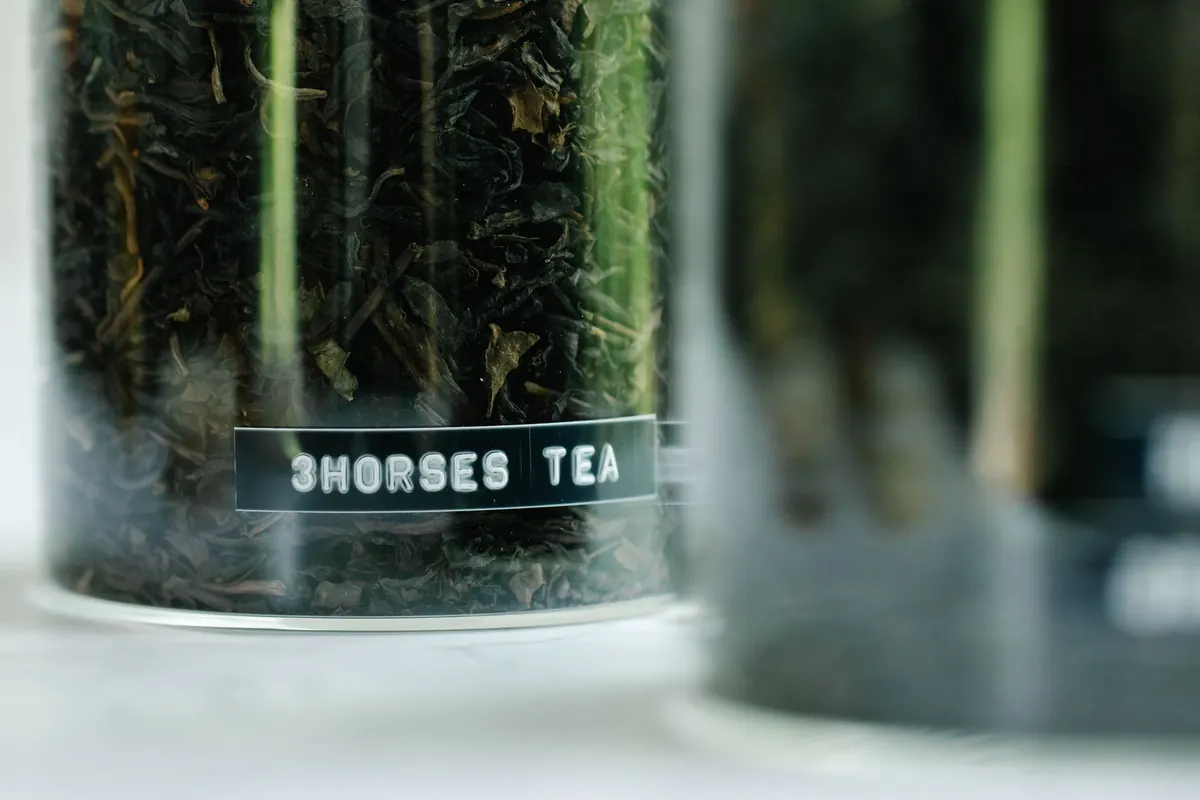
- Light fades the compounds that give tea its color and aroma. Clear jars on a sunny counter look lovely and age tea fast.
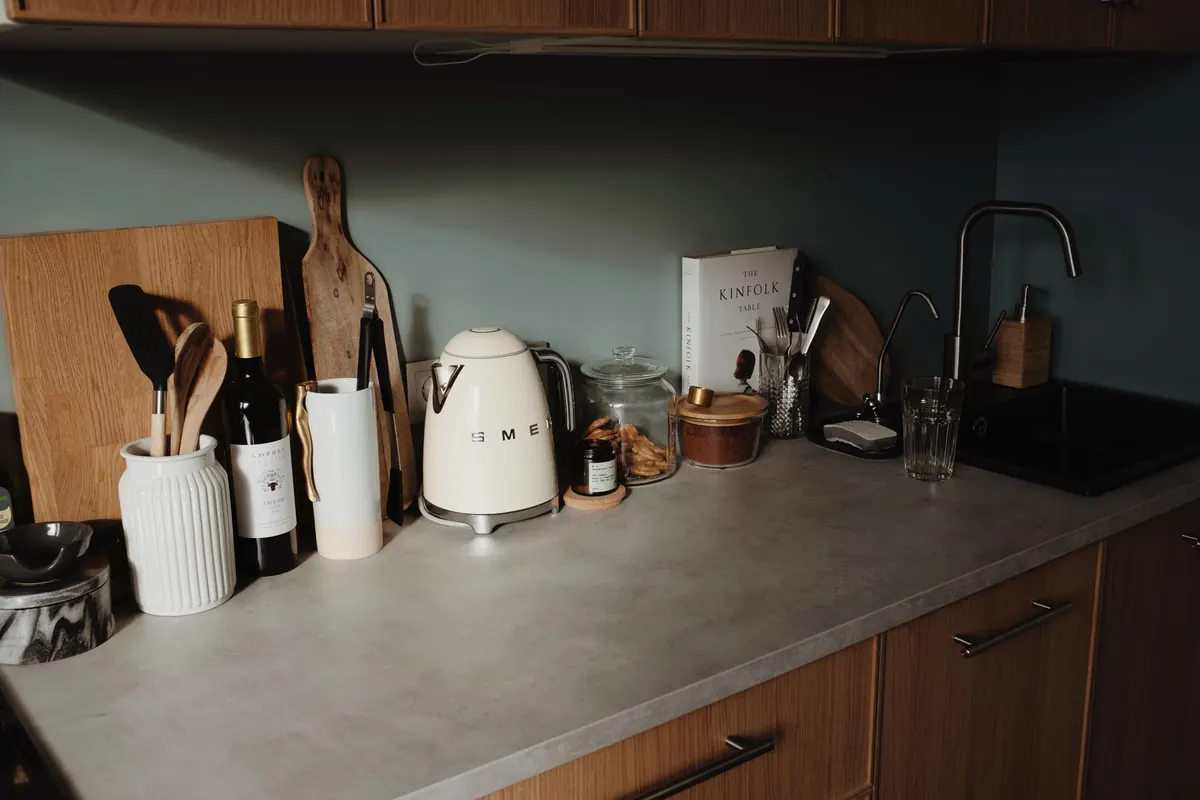
- Heat speeds up every reaction you are trying to slow down. A shelf above the kettle or beside the stove is the worst spot in the kitchen.
- Moisture makes leaves dull and can encourage mold. Steam from a boiling pot, a damp cupboard, or a fridge with condensation are all problems.
- Odor travels into dry leaves quickly. Tea is essentially a gentle sponge, which is why it should never live next to spices, coffee, onions, or soap.
Oxygen belongs on that list too. Some air contact is unavoidable, but the less headspace and the fewer times you open the container, the better.
Choosing a Container
You want something opaque, airtight, and non-reactive. In practice, that means a metal tin with a tight double lid, a ceramic canister with a silicone gasket, or a foil-lined pouch that seals properly. A good tin does three jobs at once: it blocks light, keeps air out, and holds its shape so the seal stays tight.
What to avoid
Glass jars are fine only if they live inside a closed, dark cupboard. Plastic containers work for a few weeks but absorb odors over time and rarely seal as well as metal. Wooden boxes, cardboard, and pretty paper bags are decorative, not protective. If a container smells like anything at all when you open it, do not put tea in it.
Small beats big
A half-empty tin holds a lot of air, and every time you open it, the whole batch breathes. If you bought 250 grams, consider splitting it: keep a week or two of leaves in a small tin for daily use, and leave the rest sealed in the bulk container. You will open the main stash far less often, and it will taste noticeably better in three months.
One tea per container
Flavored blends, especially those with bergamot, cinnamon, or smoke, will scent anything stored with them. Give each tea its own tin, or at least keep strongly flavored teas completely separate from delicate ones.
What to Do With the Bag It Came In
Most quality tea arrives in a foil-lined pouch with a resealable top, sometimes with a one-way valve. That packaging is genuinely good, so keep using it. Press the air out, seal the zip all the way across, then slide the whole pouch into a tin or an opaque box for extra light blocking. If the bag has a plain fold-over top, clip it shut and treat it as a temporary home only.
Two small upgrades are worth the effort: write the tea name and the date you opened it on a strip of masking tape, and never store a damp scoop inside the bag.
A Storage Routine You Can Keep
- Find a dark, cool, dry cupboard away from the stove, the window, and the dishwasher.
- Portion out a small working tin so you are not opening the main supply twice a day.
- Push the air out before sealing, every single time.
- Keep tea away from smell sources, including the spice rack, the coffee grinder, and anything scented.
- Label and date everything, so you drink the older leaves first instead of discovering them two years later.
- Use a dry spoon and never scoop over a steaming cup, where moisture can drift into the tin.
Not Every Tea Ages the Same Way
Fragile teas: green, yellow, and light oolongs
These fade fastest, often within a few months of opening. Store them airtight and dark, and if you buy more than you will drink in six weeks, the fridge or freezer will genuinely help. The catch is condensation: seal the tea in an airtight container, let it sit unopened on the counter until it reaches room temperature, and only then open it. Skipping that step means a wet, dull tea.
Matcha and other powdered teas
Powder has far more surface area, so it stales quickly. Keep it cold, keep it sealed, and drink it while it is bright and green rather than grassy and flat.
Sturdier teas: roasted oolongs, blacks, and most blends
These hold up well for a year or more in a good tin, and some roasted oolongs improve slightly as they settle. They still hate heat and odors, so the same rules apply.
White teas and puer
These are often stored for the long haul and are traditionally given a little air rather than being vacuum-sealed. Wrap them in paper or cloth, keep them in a clean, dry, well-ventilated spot, and check periodically for dampness. If you see mold, throw the tea away. Do not try to salvage it.
Herbal and fruit blends
Dried fruit, citrus peel, and flowers contain more moisture than plain leaf, so they go stale or clumpy sooner. Keep them airtight, out of the sun, and plan to finish them within a year.
Signs a tea has passed its best
A faded tea smells flat when you open the tin, brews paler than it used to, and tastes like hay or paper. It is not harmful, just disappointing, and it is worth checking your storage before you blame the tea. A musty or damp smell is a different story: that means moisture got in, and the tea should go.
Start Simple, Store Deliberately
You do not need a cabinet full of equipment. Buy a tin or two, keep your tea in a dark cupboard away from the kettle, seal everything properly, and label what you open. Then buy a little less, a little more often. Freshness is easier to protect when there is less of it sitting around, and the best tea storage plan is the one that ends with you drinking the leaves before they have a chance to fade.
Photo: Anna Pou / Pexels