
How to Brew Loose-Leaf Tea Without a Teapot: Kettle, Mug, and Strainer Methods
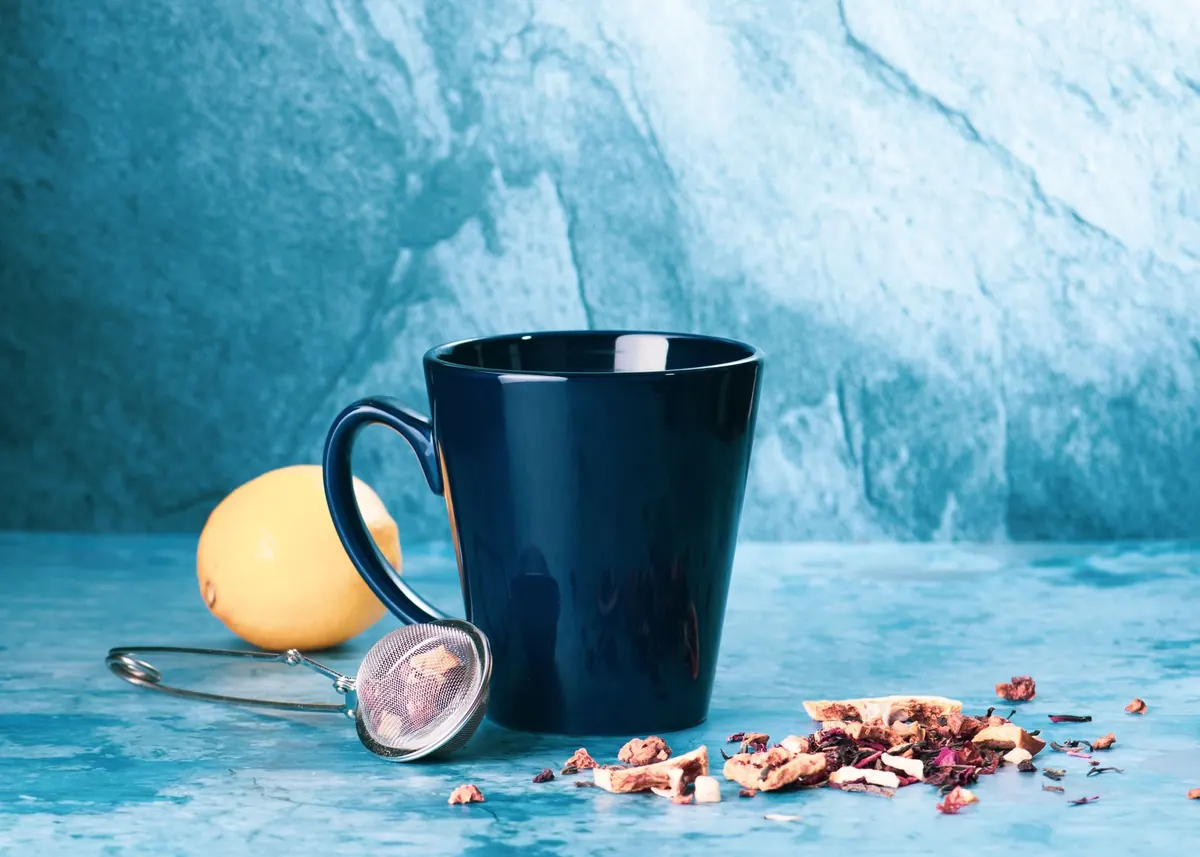
A teapot is a pleasant thing to own, and you do not need one. Loose-leaf tea has been brewed in mugs, bowls, jugs and thermoses for centuries, long before anyone owned a matching pot and cup. If you have a kettle, a mug and something with holes in it, you have everything required to make a genuinely good cup — often better than a bag, because you decide how much leaf goes in and how long it stays there.
The methods below are the ones that work in a normal kitchen, with the equipment that is already in your cupboard. None of them are fussy. All of them get easier once you understand the two variables that actually matter.
The Only Equipment You Need
- A kettle. Electric or stovetop, either is fine. A kettle with temperature settings, or a cheap thermometer, makes green and white teas easier, but you can manage without one.
- A mug you like, roughly 250–350 ml. Taller mugs hold heat better and give the leaves room to move.
- A fine mesh strainer. The wire sieve from your kitchen set is usually too coarse for tea; a mesh one catches the small pieces.
- A second mug or a small jug. The quiet hero of this whole approach — it lets you pour the tea off the leaves in one movement instead of fishing them out.
- A timer. Your phone is fine. Counting in your head while answering a message is exactly how tea turns bitter.
Two Numbers Worth Knowing
How much leaf
For a 300 ml mug, start with about one rounded teaspoon of whole-leaf tea. Broken leaves and strong blacks such as Assam or Ceylon often need only half that; a fluffy white tea or a big twisted oolong may take a heaped teaspoon to weigh the same. When in doubt, start light. Under-leafed tea is dull but drinkable. Over-leafed tea is bitter and hard to rescue.
Water temperature
- Green tea: 70–80°C. Steam should be faint.
- White tea: 75–85°C.
- Oolong: 85–95°C, hotter for roasted and rolled styles.
- Black tea: 95–100°C.
- Pu'er and most herbal blends: 95–100°C.
No thermometer? Boil the kettle and let it sit. Two minutes of waiting gets you close to green-tea temperature, one minute suits white and oolong, and black, pu'er or herbal blends want the water straight away. Pouring into a cold mug drops the temperature a little on its own, which is one more reason to preheat it.
The Mug-and-Strainer Method, Step by Step
- Preheat the mug. Fill it with hot water, let it stand while you measure the leaves, then tip the water out. A warm mug keeps the tea hot several minutes longer.
- Put the leaves in the mug, not in the strainer. Leaves need to open and move. A strainer clamped at the rim compresses them. If you must use a basket infuser, fill it no more than a third.
- Pour the water over the leaves. Aim at the leaves rather than the side of the mug; the agitation helps them sink.
- Start the timer. Around two minutes for green tea, two to three for oolong, three for black, four to five for chunky herbals. Taste at the short end of the range. If it seems thin, give it another thirty seconds; if it is already sharp, you have found your ceiling.
- Set the strainer over your second mug and pour the whole thing through. One steady pour. Do not press the leaves against the mesh with a spoon — that releases the harsh tannins you spent the last two minutes avoiding.
- Keep the leaves for another round. Whole-leaf tea usually gives two or three good infusions. Add roughly thirty seconds to a minute to each round.
When You Don't Have a Strainer
The two-mug pour
Brew in one mug, let it stand for about thirty seconds after the timer ends so the leaves settle, then pour slowly into the second mug, stopping when the leaves begin to slide toward the lip. Most whole-leaf teas stay behind. A few stragglers in the cup are normal; they sink and stop bothering you.
Grandpa style
Leaves straight into the mug, hot water on top, no removal at all. Drink when the leaves have settled and the liquid has cooled enough, then top up with hot water and let it steep again as you go. This is how a great deal of tea is drunk at office desks. It suits whole-leaf oolong, pu'er and green tea, and it fails badly with finely broken black tea or anything dusty, which keeps getting stronger until it is undrinkable. A saucer held over the top and tilted slightly makes a serviceable strainer for the last mouthful.
Getting the Most Out of Whatever Strainer You Own
Fine mesh strainer
The best of the kitchen tools. Set it over the drinking mug, pour through, done. Rinse it immediately afterward, because dried leaf fragments clog the mesh.
Coarse wire sieve or colander
Catches the big leaves and lets the small ones through. Usable, especially if you pour slowly and stop before the bottom of the mug. A second pass through the same sieve catches more of what escaped.
Tea ball, basket infuser or silicone pod
Convenient, but small ones crowd the leaves and give you flat, one-note tea. If you use one, fill it half full at most and lift it out the moment the steeping time is up.
French press
Genuinely good for tea. Add leaves, add water, steep, then press the plunger down slowly and pour everything out. Do not leave the tea sitting above the leaves below the plunger, or it will keep strengthening while you drink.
Paper coffee filter
For dusty tea or the last gritty cup from the bottom of a tin, a paper filter in a cone gives a very clean result. It also strips out some of the oils that carry aroma, so treat it as a rescue tool rather than an everyday habit.
When the Cup Tastes Wrong
- Bitter or drying: too hot, too long, or too much leaf. Drop the temperature by ten degrees and cut a minute off the time next round.
- Thin and disappointing: not enough leaf, or water that was not as hot as you assumed. Check the kettle rather than the tea.
- Flat, like nothing at all: the tea may simply be old. Leaves that have sat open in a cupboard for a year lose most of their aroma.
- Cloudy or gritty: fine leaf dust. Pour through a paper filter, or rinse the leaves with a splash of hot water for five seconds before brewing. Keep that rinse short with delicate greens.
- Lukewarm too soon: preheat the mug, and wrap a tea towel around it if you are slow to finish a cup.
A Few Habits Worth Keeping
Rinse the mug and strainer right away. Leaves left to dry on the side of a cup are annoying to clean and leave stains. Keep one small tin of your everyday tea within reach and the rest sealed, away from light and spices, which are far more invasive than most people expect.
Start with less leaf than you think you need, because it is easy to add and impossible to subtract. And spend ten seconds smelling the wet leaves before you drink. Once you know what your best cup smells like, you will notice immediately when something needs adjusting — a shorter steep, cooler water, or simply a better spoonful of tea.
Photo: Jason Deines / Pexels