
Green Tea vs. White Tea: A Beginner's Comparison of Flavor, Caffeine, and Brewing
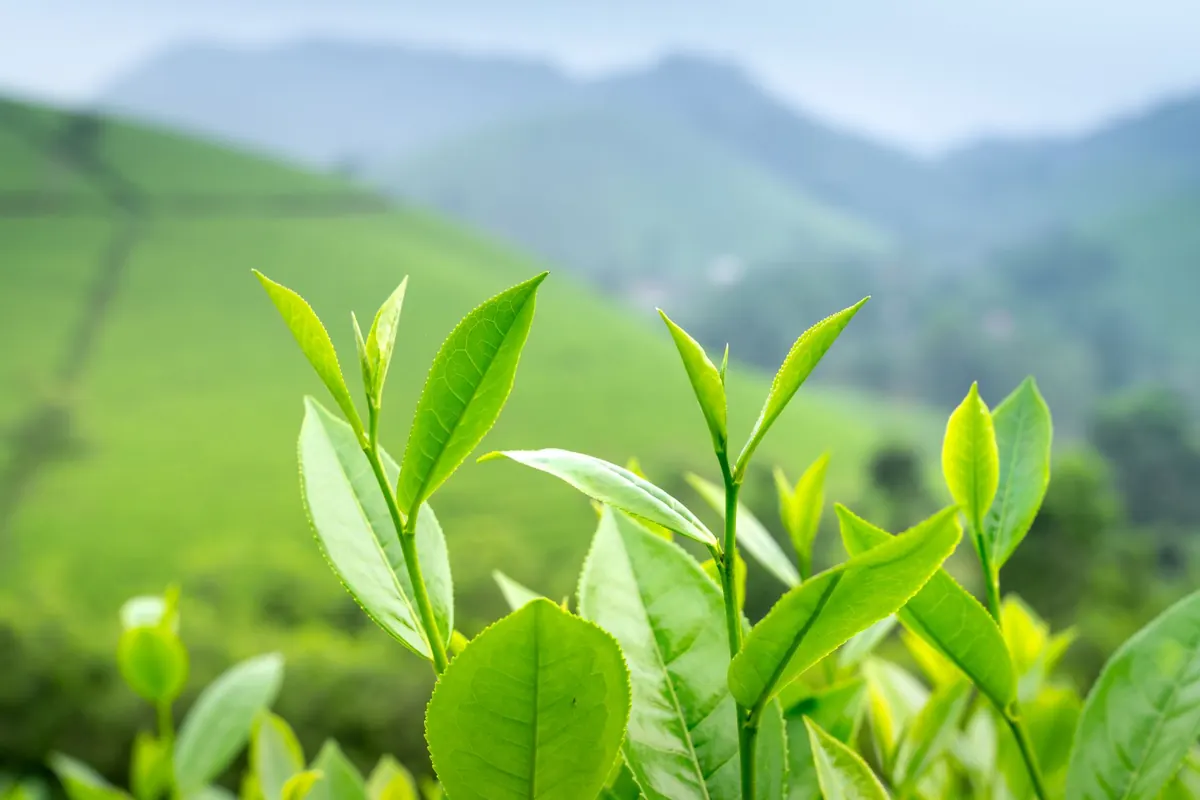
Green tea and white tea sit side by side on the shelf and look like close relatives: pale leaves, delicate fragrance, no milk required. Brew them the same way, though, and you get two very different cups. One turns grassy and brisk; the other lands soft, sweet, and a little like fresh hay. The plant is the same — both come from Camellia sinensis — so the difference comes down to what happens to the leaves in the first day or two after they're picked. Understand that one split, and flavor, caffeine, and brewing temperatures all start to make sense.
Processing: The One Step That Changes Everything
Green tea is heated within hours of plucking. Whether the leaves are pan-fired in a wok-shaped drum or steamed on a conveyor, the goal is the same: stop the enzymes that would otherwise darken the leaf. Tea makers call it "kill-green," or fixation. After that, the leaves are rolled or pressed into shape and dried. Because oxidation barely gets started, the leaf keeps its green color and its fresh, vegetal character.
White tea takes the slower road. The buds and young leaves are spread out to wither, often in sun and moving air, then dried gently. There is no rolling, no shaping, and traditionally no kill-green step. A long wither lets a small amount of oxidation happen on its own, which softens the flavor and builds sweetness. Style matters here: Silver Needle is all downy buds, while White Peony includes buds and the first leaves, giving it more body and a slightly deeper color in the cup.
So the shorthand is this: green tea is heated early and stops changing. White tea is left mostly alone and changes gently.
Flavor: What You'll Actually Taste
White tea
Expect softness first. Good white tea tastes of honeydew, cucumber peel, dried apricot, and fresh hay, with a clean sweetness that lingers at the back of the mouth. It rarely bites. Aged white tea, pressed into cakes and stored for years, moves toward dried fruit, honey, and something faintly medicinal — closer to an old oolong than to a fresh green. If you don't enjoy vegetables, start here.
Green tea
Green tea is louder and more savory. Japanese steamed greens like sencha taste of edamame, cut grass, and the sea; Chinese pan-fired greens like Longjing (Dragon Well) are chestnut-sweet, toasty, and smoother across the tongue. Both turn sharply bitter if you abuse them with boiling water or a long steep. That bitterness is not a flaw in the tea — it's a signal that the brewing went wrong, and it's usually fixable on the next pot.
Caffeine: Closer Than You Think
Both teas contain caffeine, because both come from the same plant. As a rough guide, an 8-ounce cup of green tea lands somewhere around 20 to 45 milligrams, and white tea usually falls in a similar range, sometimes a little lower. Leaf position matters: buds, which white tea uses heavily, can be relatively caffeine-rich, but white tea is often brewed cooler and lighter, so less of it ends up in your cup.
What you control matters more than the category. More leaf, hotter water, and a longer steep all pull out more caffeine. A strong, generous green tea can easily out-caffeinate a weakly brewed white. Matcha is a separate case entirely: you drink the whole ground leaf, so the dose is higher than any steeped cup.
If caffeine affects your sleep, or you are pregnant, nursing, or taking medication, check with a healthcare professional rather than guessing from a label.
Brewing Them Side by Side
These are starting points, not rules. Adjust to taste.
- White tea: 175–185°F (80–85°C), 2–4 minutes, about 2–3 grams of leaf per 8 ounces. Loose buds are bulky, so use a generous pinch.
- Green tea: 160–180°F (70–80°C). Japanese steamed greens prefer the lower end; Chinese pan-fired greens handle 175–180°F. Steep 1–3 minutes.
- Leaf: whole leaves give you a sweeter, clearer cup and re-steep better than the broken bits in most bags.
- Re-steeping: white tea often gives three or four good infusions; green tea two or three. Add a few seconds to each round.
- Water: filtered water helps. Very hard water flattens the delicate aromas in both styles.
No thermometer? Boil the kettle, pour the water into your cup or a small pitcher, and wait. Two minutes gets you into Chinese-green territory; three to four minutes suits a delicate Japanese green. Add the leaves last, then taste at the one-minute mark.
Beginner Mistakes Worth Avoiding
The most common one is water that's far too hot. Boiling water on a delicate green tea produces a bitter, stewed cup that convinces people they don't like green tea at all. The second is leaving leaves in the mug and walking away; a two-minute steep becomes a ten-minute steep quickly. Third, store tea in an airtight tin away from light, heat, and strong smells — tea absorbs whatever is nearby, so the spice drawer is a bad home for it. Finally, buy small amounts. A 50-gram bag you finish in two months beats a kilo that goes flat and dusty on the shelf.
Which Should You Start With?
If you're coming from coffee and want a morning cup with some backbone, start with a Chinese pan-fired green like Longjing or a Japanese sencha. If you want something gentle for the afternoon, or you're easing into tea without the jitters, try a White Peony or Silver Needle. The fastest way to learn the difference is to brew a small pot of each, using the temperatures above, and taste them while both are still warm. Pay attention to the first sip and the last — the finish is where these two teas separate most clearly.
Photo: Quang Nguyen Vinh / Pexels